
The questions you were probably going to ask about Seamless Abutment shadow gap profiles
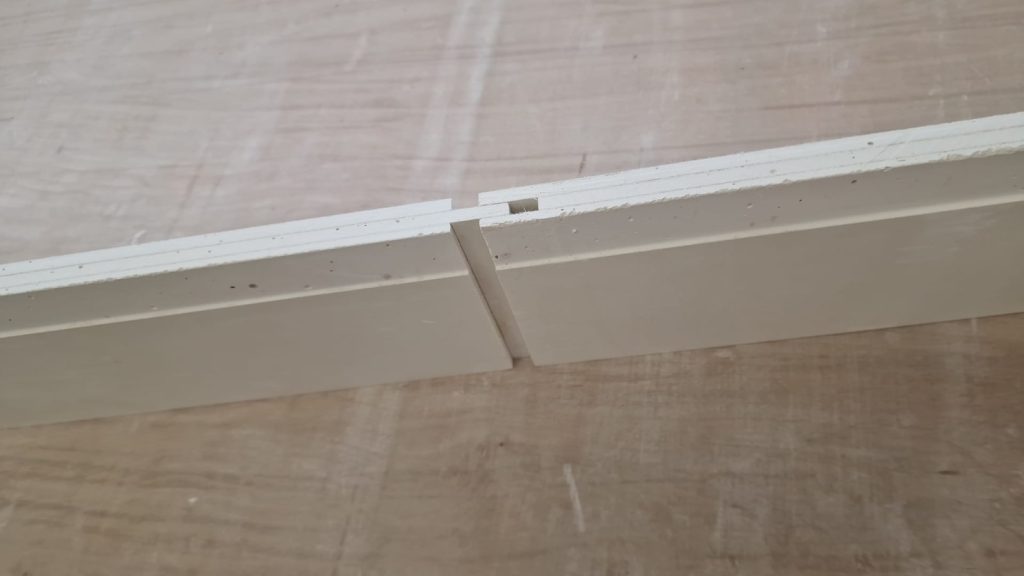
If you are looking at seamless abutment shadow gap profiles for the first time, or comparing site-made methods with a factory-formed solution, you will probably have a few fair questions.
That is normal.
A shadow gap detail might look simple when finished, but the route to getting it right on site is often where the problems start.
Here are the questions most people are already thinking before they enquire.
What actually are Seamless Abutment shadow gap profiles?
Seamless Abutment by SA Solutions is a range of factory-formed gypsum shadow gap profiles designed to fit within the plasterboard build-up.
In simple terms, it is a purpose-made section used to create clean, minimal shadow gap details at key junctions.
It is not a trim stuck on afterwards. It is built into the construction so the finished detail reads as part of the wall or ceiling itself.
Is this just a fancy trim with a long explanation?
No.
That is an understandable question, because plenty of products in this space look clever in pictures but do not really change the install method.
Seamless Abutment shadow gap profiles are different because the geometry of the detail is already formed before it reaches site.
That matters because it reduces the need to hand-form junctions on site, which is where inconsistency, snagging and finishing issues often creep in.
So the value is not in sounding specialist. The value is in delivering a cleaner, more repeatable detail with less site-made variation.
Why use Seamless Abutment shadow gap profiles instead of forming the detail on site?
Because site-made shadow gaps can work, but they rely heavily on time, labour, skill, consistency and site conditions.
That means the result can vary from one area to another depending on who is doing it, how much time they have, and how forgiving the programme is.
Seamless Abutment gives you a more controlled way to achieve the same design intent.
You are not asking someone to interpret the detail from scratch. You are installing a profile that has already been formed properly.
Is it actually buildable, or is it just another architect-led idea?
It is designed to be buildable. That is the point.
A lot of detail-led products look good in a drawing pack but create more pressure for the people delivering the job. Seamless Abutment is intended to reduce that pressure by making the junction more repeatable and less dependent on site improvisation.
It gives architects the clean lines they want, but it also gives contractors and drylining teams a more dependable route to achieving that finish.
Can a normal drylining team install it without drama?
That is one of the key questions, and it matters.
If a system feels over-complicated, people step back from it fast.
Seamless Abutment is designed to fit within the plasterboard build-up as part of the construction sequence, rather than being treated like a decorative add-on afterwards.
The goal is not to create a more precious detail. It is to create a more controlled one.
Is it expensive?
If you compare it only to raw material cost, you will probably think so.
That is the wrong comparison.
The better comparison is against the full cost of achieving the same result on site, including hand-forming time, finishing time, making good, snagging, remedial work, inconsistency from area to area, and reliance on higher-skill site labour.
When looked at properly, the value is not just the product itself. It is the reduction in site risk and the improvement in consistency.
Where are Seamless Abutment shadow gap profiles used?
Seamless Abutment is used wherever a clean plasterboard junction is required, including shadow gap details, skirting and architraves, head and ceiling details, corners, fair ends and custom project-specific transitions.
It is typically relevant on projects where both design intent and finish consistency matter, from residential interiors to commercial fit-outs following British Standards for plasterboard finishing.
Who is it really for?
This is one of the biggest misunderstandings. It is not just for architects. It is relevant to architects who want a clean minimal detail, contractors and fit-out teams who want less site variation and fewer finishing issues, and drylining teams who want a more repeatable method for achieving high-end shadow gap details without hand-building every junction from scratch.
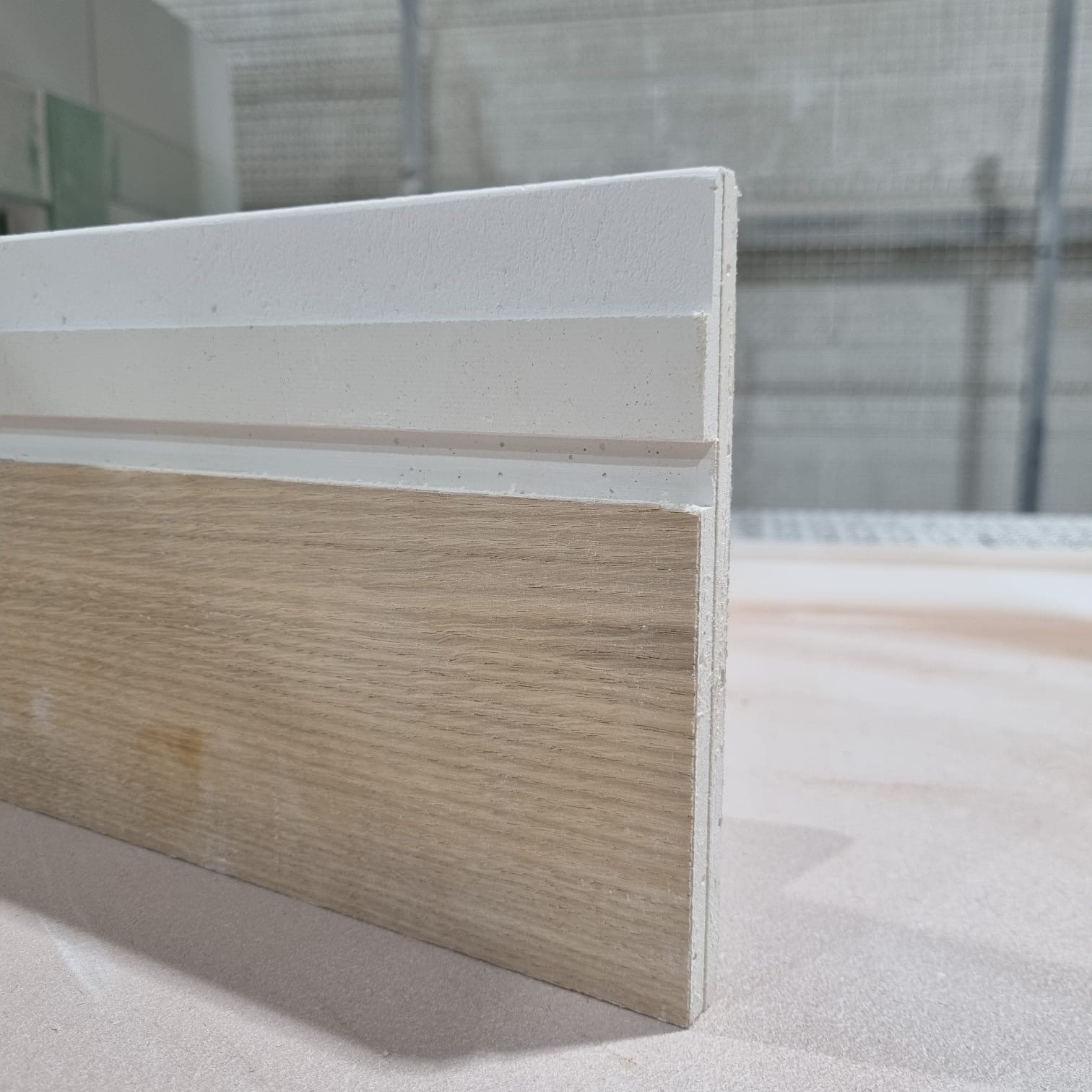 shadow gap skirting profile no.6 – plasterboard skirting detail” />
Final thought
The biggest mistake with products like this is assuming people already understand them.
They usually do not.
They are not looking for the most elegant product description. They are looking for a cleaner result, less site hassle and a detail they can trust.
That is where Seamless Abutment needs to be understood. Not as decorative fluff. Not as a clever trim. As a more controlled way to deliver a clean plasterboard shadow gap detail.
Want to see how Seamless Abutment fits into a real project? Explore the product range or speak to the team about the right detail for your junction.