
What Kengo Kuma’s National Gallery Wing Tells Us About Modern Detailing
Kengo Kuma won the commission to design the National Gallery’s new wing in London. It is a £350 million project, the gallery’s biggest transformation in 200 years, and it says something important about where architecture is heading.
Not because it is big. Not because it is expensive. Because of how it handles the detail.
The Project
The new wing, part of the gallery’s wider £750 million Project Domani programme, will be built on the site of St Vincent House behind the Sainsbury Wing. Kengo Kuma and Associates, working alongside BDP and MICA, beat 64 other practices to win the international competition. The selection panel called the proposal “exemplary” for its combination of architectural clarity with sensitivity to the institution’s historic fabric and urban context.
The design uses Portland stone and stepped massing that responds to the surrounding streets. At ground level, the building is transparent and open. As it rises, it becomes more opaque to create the controlled conditions needed for displaying art. A public rooftop garden opens new views across Trafalgar Square and Leicester Square.
It is a building that connects – old to new, interior to exterior, gallery to city.
Two Approaches in One Building
What makes Kuma’s design stand out is how it handles the transition between different spatial experiences. The lower galleries use vaulted and arched forms that flow naturally from the adjacent Sainsbury Wing. Step upstairs and the language shifts to something more geometric and contemporary. The building does not clash with its neighbours. It absorbs their character and then quietly moves on.
That kind of thinking – where every junction, every transition, every meeting of materials is deliberate – is the mark of architecture that lasts. It is the difference between a building that feels joined up and one that feels assembled from parts.
 shadow gap detail 5252 – wall and ceiling junction profile” class=”wp-image-1326″ />
Why Detailing Matters at Every Scale
Kuma’s approach to the National Gallery works because the big moves are backed up by precision at the small scale. Portland stone meeting glass. Vaulted ceilings meeting flat. Historic proportions meeting modern geometry. Every transition is considered, not just covered up.
That same principle applies whether you are designing a £350 million gallery or fitting out a residential development in Manchester. The places where surfaces meet – wall to floor, wall to ceiling, wall to window – are the details that separate a building that looks right from one that looks nearly right.
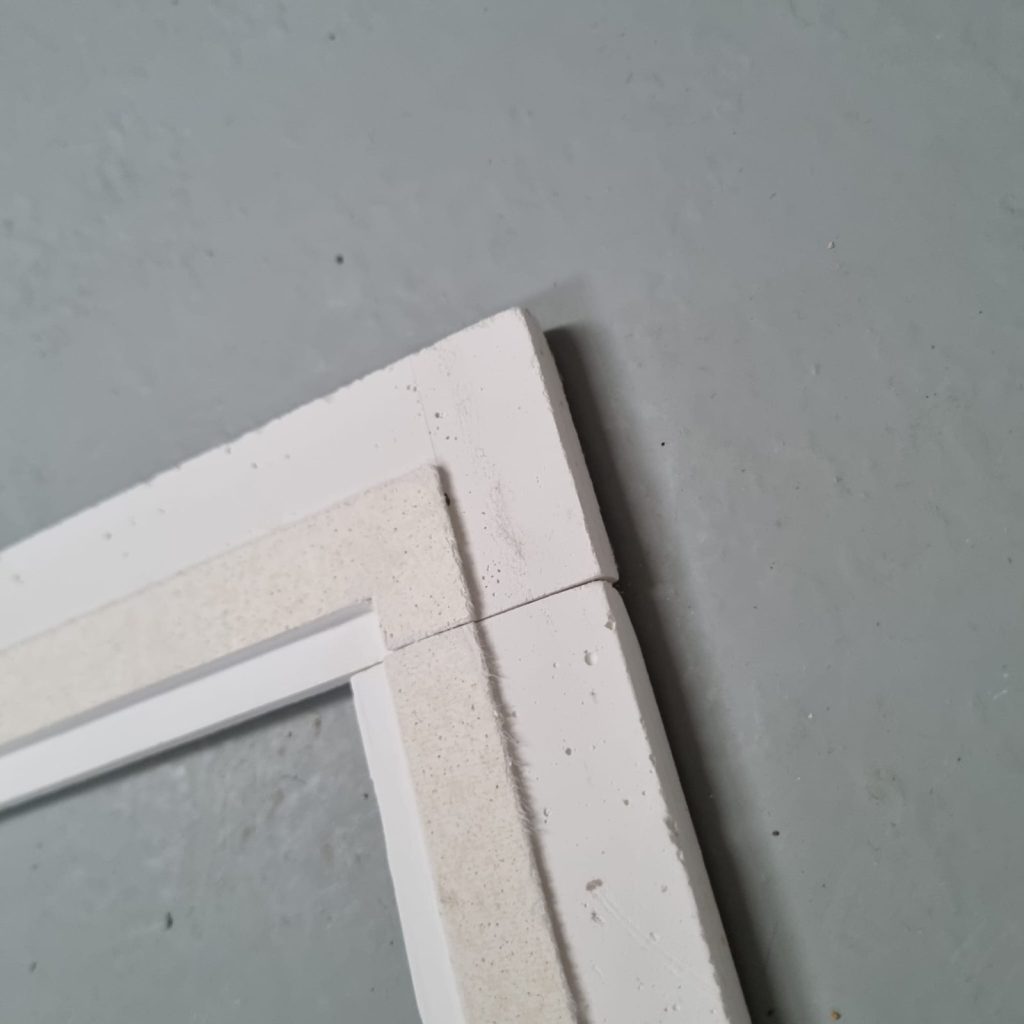
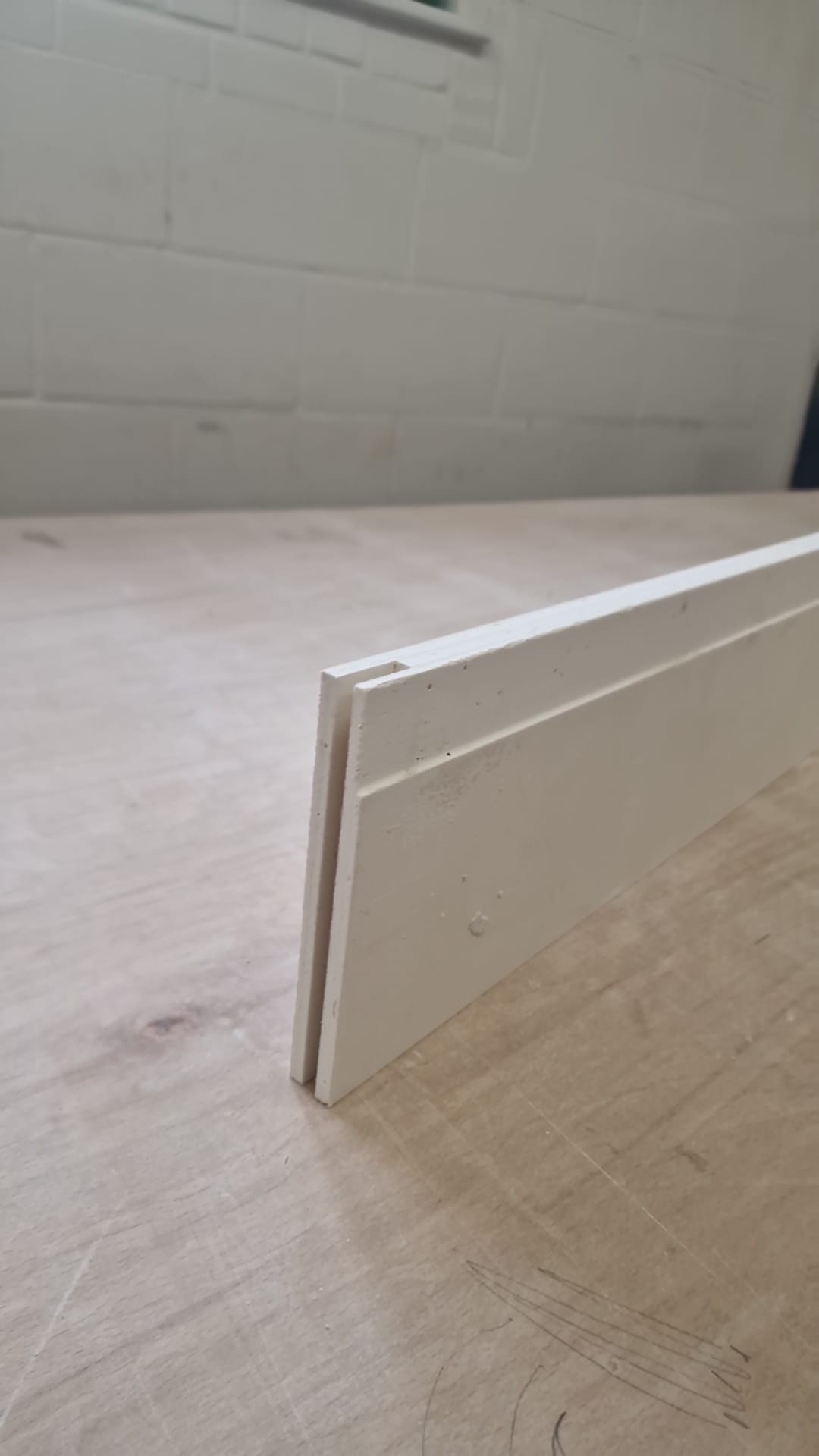
Traditional trim and skirting boards exist to hide those junctions. Shadow gap profiles exist to celebrate them. A recessed line where the wall meets the floor creates a clean, floating effect. A precision-formed abutment where the wall meets the ceiling removes the need for bulky coving. The result is exactly what Kuma achieves at gallery scale – clean transitions that make each surface read as intentional.
From Gallery to Site: Shadow Gap Profiles in Practice
Seamless Abutment by SA Solutions exists because of this exact principle. Every profile we manufacture at our facility in Essex is designed to create clean, precise junctions between surfaces. Shadow gap skirting, architraves, ceiling details, corner profiles, fair ends – each one removes a compromised joint and replaces it with a deliberate detail.
Off-site manufacturing means the precision is built in before the profile reaches site. No filler. No guesswork. No on-site fabrication. Just clean lines that work first time.
It is the same logic Kuma applies at the National Gallery. Control the detail. Let the materials do the talking. Make every junction look like it was always meant to be there.
What Architects Can Take from This
The Kengo Kuma commission confirms something that has been building across the industry for years. The appetite for clean, considered detailing is not a passing trend. It is the standard.
Whether you are working on a national landmark or a housing scheme, the principle holds. The places where things meet define the quality of the finished space. Get those right, and everything else falls into place.
Interested in what shadow gap profiles and precision-formed junctions could do for your next project? Talk to our team at Seamless Abutment by SA Solutions.
Call us on +44 (0) 1279 216175 or email info@seamlessabutments.com