
The Death of the Skirting Board (And Why Nobody’s Mourning)
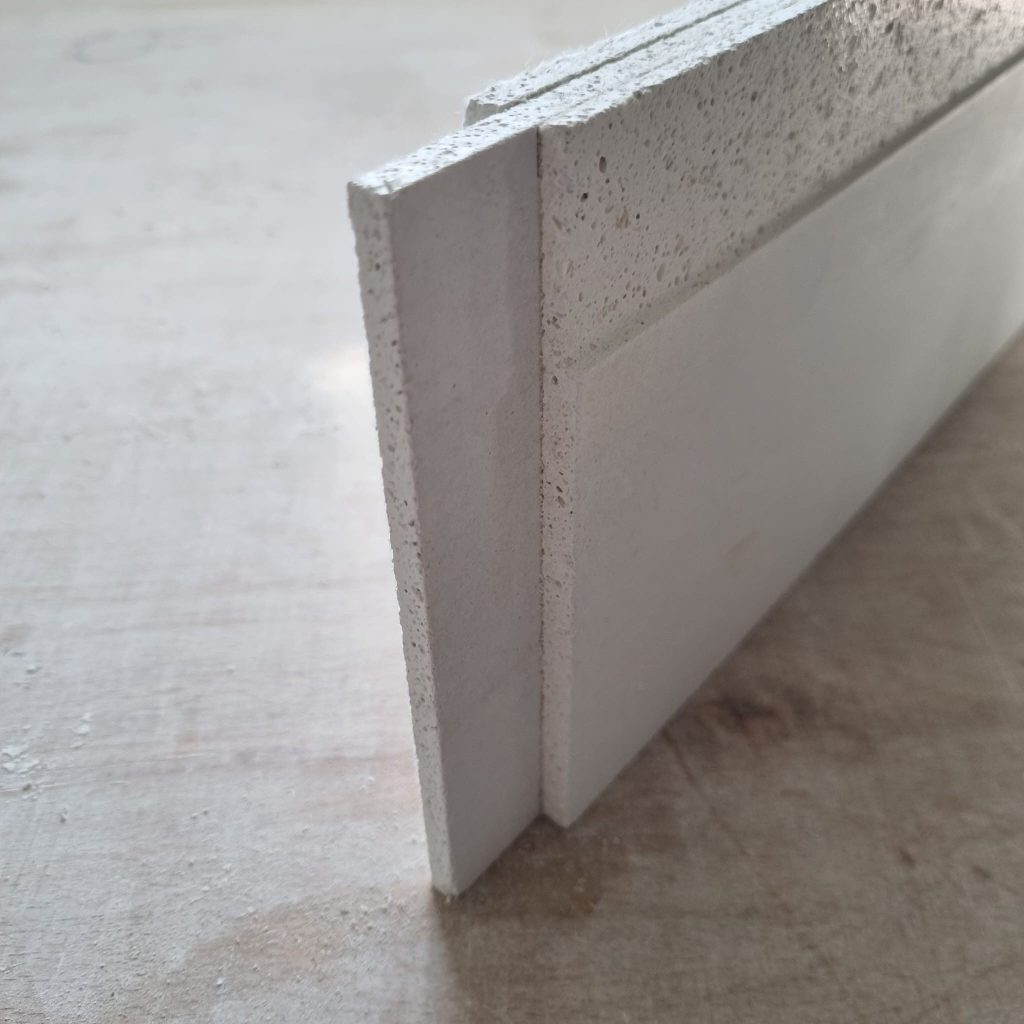
We need to talk about skirting boards.
Not in a “let’s celebrate their contribution to British interior design” kind of way. More in a “thanks for your service, here’s your gold watch, please leave quietly” kind of way.
Because the skirting board – that chunky strip of MDF or timber that’s been clinging to the bottom of our walls since before anyone alive can remember – is having a bit of a crisis. And by “a bit of a crisis” we mean architects are actively designing it out of projects, contractors are relieved they don’t have to mitre the corners anymore, and homeowners are discovering there’s a whole world where walls just… meet the floor. Cleanly. Beautifully. Without a dusty ledge involved.
The Problem Nobody Talked About
Here’s the dirty secret about skirting boards: they were never really a design choice. They were a cover-up. A way to hide the messy gap where plaster meets flooring, dreamed up in an era when “close enough” was an acceptable construction standard.
And they’ve been coasting on that ever since.
Sure, some people love their ornate ogee profiles and their Victorian torus mouldings. Fair play. But for the vast majority of modern projects – commercial offices, contemporary homes, retail spaces, hospitality fit-outs – a 100mm strip of painted MDF sticking out from the wall is about as welcome as a fax machine on a reception desk.
Enter the Shadow Gap
A shadow gap profile does the same job as a skirting board (hiding the junction between wall and floor) but does it by creating a slim, deliberate recess instead of sticking something on top. The result is a crisp shadow line that makes the wall look like it’s floating just above the floor.
No bulk. No dust shelf. No paint-chipped edges from the vacuum cleaner. Just a clean, sharp line.
It’s the kind of detail that makes a room feel considered. The kind of thing that separates “that looks nice” from “who was your architect?”
Why the Shift Is Happening Now
Shadow gaps aren’t new – they’ve been lurking in the pages of high-end architecture magazines for years. But what’s changed is accessibility. They used to be painfully fiddly to achieve on site, requiring a very patient plasterer and a lot of crossed fingers.
That’s where off-site manufacturing changed the game. At Seamless Abutment by SA Solutions, we produce shadow gap profiles at our facility in Essex using patented Seamless Abutment technology. The profiles arrive on site preformed, precision-cut, and ready to install. No guesswork. No on-site fabrication. No crossed fingers.
That means shadow gaps aren’t just for the Grand Designs crowd anymore. They’re showing up in mainstream housing developments, office refurbishments, student accommodation, and retail spaces. Anywhere someone’s decided that clean lines shouldn’t cost the earth.
The Practical Bit
Beyond looking sharp, shadow gap profiles earn their keep in some genuinely useful ways. Less maintenance – no more running a cloth along the top of a skirting board, as shadow gaps are recessed so dust and grime don’t settle on them the same way. Cable management – the shadow gap conceals wiring without any unsightly trunking. Faster installation – because our profiles arrive ready to fit, your team spends less time cutting, filling, and painting on site. Design flexibility – shadow gap details work for architraves, ceiling junctions, external corners, and fair ends too.
So Is the Skirting Board Actually Dead?
Probably not entirely. There will always be projects where traditional profiles make sense, and there will always be people who genuinely enjoy choosing between torus and ogee at the builders’ merchants on a Saturday morning.
But for the growing majority of projects where clean, contemporary, and low-maintenance are the brief? The skirting board’s days are numbered. And the shadow gap profile is very politely holding the door open for it.
Want to see what shadow gap profiles could do for your project? Get in touch with our team at Seamless Abutment by SA Solutions.
Call us on +44 (0) 1279 216175 or email info@seamlessabutments.com